|
Product Information |
|
Product name |
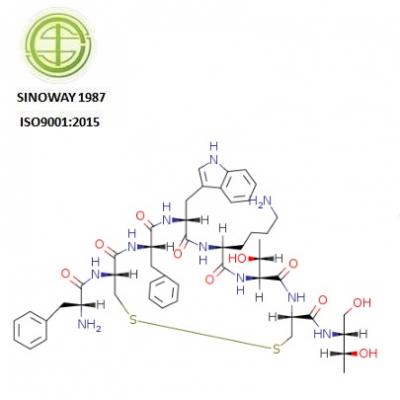
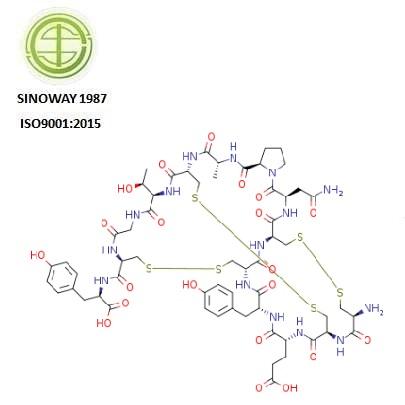
Linaclotide |
|
CAS No. |
851199-59-2 |
|
Molecular Formula |
C59H79N15O21S6 |
|
Molecular Weight |
1526.736 g/mol |
|
Quality Standard |
98% up, Medicine Grade |
|
Appearance |
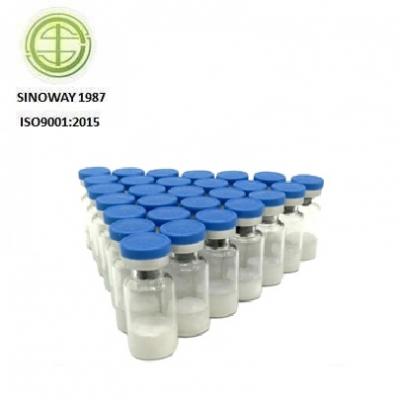
White powder |
|
Sequence |
H-Cys-Cys-Glu-Tyr-Cys-Cys-Asn-Pro-Ala-Cys-Thr-Gly-Cys-Tyr-OH cyclic(1-6),(2-10),(5-13)-tris(disulfide) |
|
COA of Linaclotide |
|
Test |
Specifications |
|
Appearance |
White or almost white crystalline powder |
|
Identity by HPLC |
The reaction is same with the reference substance |
|
Amino Acid Composition |
±20% of theoretical |
|
Purity (HPLC) |
≥ 98.0% |
|
Related Substance(By HPLC) |
Total Impurities(%)≤ 2.0% |
|
Acetate Content(By HPLC) |
≤15% |
|
Water Content(By HPLC) |
≤5.0% |
|
Bacterial Endotoxins |
≤5IU/mg |
|
Usage |
Function of Linaclotide
Linaclotide can bind to the guanylate cyclase C-type receptor (GC-C) in the intestinal tract after being taken orally into the human body to increase the intracellular and extracellular cyclic guanylic acid (cGMP) concentration and stimulate the secretion of intestinal juice , To accelerate the migration of the gastrointestinal tract, thereby increasing the frequency of bowel movements. Due to its unique mechanism of action, it is promising to become a therapeutic drug that can not only treat constipation, but also treat abdominal distension, abdominal pain and other clinical symptoms.

Sinoway was established in 1987, and is specialized in research, development, custom manufacturing and trading of pharmaceutical APIs, Intermediates, health & food supplements, cosmetic raw materials, herbal extracts, FDFs and custom service all over the world.


 IPv6 network supported
 English
 中文
中文 français
 Deutsch
 русский
 español
 português
 العربية
 日本語
日本語 한국의
한국의 Türkçe